Multiplayer Games with Team Coordination
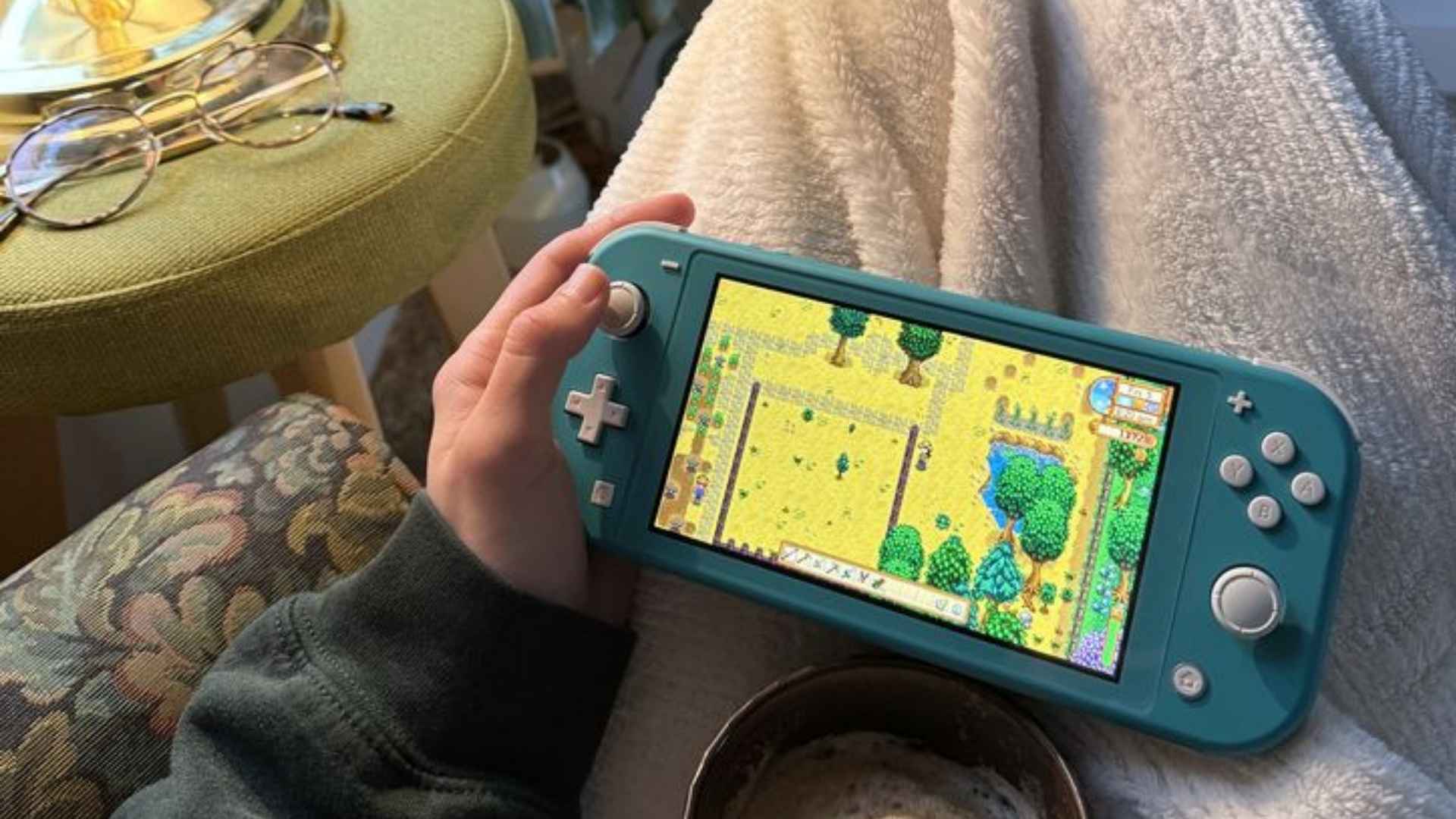
The modern gaming landscape has evolved significantly over the past decade, shifting from isolated solo adventures to deeply collaborative online environments. Success in these massive digital spaces no longer depends solely on individual reflexes or isolated mechanical skill sets. Instead, contemporary multiplayer platforms increasingly demand sophisticated synchronization and strategy among participants to achieve shared victories.
The Core Elements of Tactical Success
Achieving seamless group flow requires consistent communication and a clear, shared understanding of each participant's designated role. Teams must distribute responsibilities effectively during intense matches, ensuring that defensive positions and offensive maneuvers complement one another perfectly. Without this fundamental alignment of objectives, even the most mechanically gifted individuals can struggle against a highly unified opposition.
Furthermore, the highly dynamic nature of modern online battlegrounds requires rapid, real-time adaptation to rapidly changing map conditions. Group members must learn to read the digital environment together, accurately anticipating enemy movements and adjusting their formations instantly. Developing this collective awareness transforms a loose collection of independent players into a formidable and highly organized tactical unit.
Overcoming Social and Strategic Barriers
Building mutual trust among diverse participants takes considerable time and effort, especially when coordinating with unfamiliar allies across global servers. Miscommunication can easily lead to fragmented efforts on the field, causing critical early mistakes that compromise the entire match strategy. Overcoming these initial friction points requires patience, precise vocal callouts, and a genuine willingness to support struggling companions during difficult moments.
To help refine these collaborative methods and discover advanced strategies, enthusiasts frequently visit specialized community portals for expert advice. You can check out the latest updates at Link M88 to enhance your cooperative tactics and boost your overall team performance. Utilizing these dedicated resources provides players with the practical insights and structural knowledge necessary for conquering complex digital challenges.
Technological Tools Enhancing Collaboration
The integration of high-fidelity voice communication systems and real-time ping mechanics has revolutionized how modern teams interact during gameplay. These sophisticated technological tools allow for instantaneous sharing of critical battlefield data without distracting from the immediate physical controls. Consequently, squads can execute complex, multi-layered strategies with unprecedented precision and minimal delay.
Moreover, modern analytical software and match replay features enable cooperative groups to study their past performances thoroughly after a game concludes. By reviewing historical match data together, players can easily pinpoint strategic vulnerabilities and improve their collective decision-making processes. This continuous loop of feedback and technological analysis elevates the standard of competitive cooperative play to new heights.
Long Term Benefits of Group Play
Engaging regularly in highly cooperative virtual environments fosters valuable interpersonal skills that extend far beyond the boundaries of the screen. Participants consistently develop enhanced problem-solving abilities, stronger emotional intelligence, and the vital capacity to lead diverse groups under intense pressure. These shared digital experiences ultimately demonstrate that collaborative triumphs are far more rewarding than isolated individual accolades.
Ultimately, the future of global multiplayer platforms lies in creating much deeper and more immersive cooperative gameplay mechanics. As leading development studios continue to innovate, the demand for sophisticated group strategy and cognitive coordination will only grow stronger. Embracing this collaborative evolution ensures that the gaming community remains vibrant, inclusive, and intellectually challenging for years to come.