Tag: Special Events

Explore Advanced Bridge Games Techniques
Mastering contract bridge at a competitive level requires transitioning from foundational card playing to executing sophisticated tactical maneuvers. Players who wish to dominate tournament tables must learn to interpret subtle clues left during both the auction phase and the early defensive plays. Developing these skills changes the way you view each deal and drastically elevates your long-term success rates.
Advanced Bidding Systems and Precision
Modern competitive bridge demands highly accurate communication methods that go far beyond standard defensive or opening guidelines. Implementing complex systems like the 2/1 Game Force or Roman Keycard Blackwood allows partnerships to exchange precise information about their exact hand strength. These tactical agreements minimize structural misunderstandings and help partners safely evaluate high-level slam possibilities before committing their tricks.
Furthermore, evaluating distribution rather than relying solely on raw high card points gives experts an exceptional advantage over casual opponents. Successful competitors constantly recalculate the probability of remaining card distributions based on the active bidding sequence. To refine your performance in these complex situations, accessing a reliable Link M88 resource can offer valuable strategic tools and insights.
The Art of Endplays and Stepping Stones
Executing an effective endplay is one of the most satisfying maneuvers a declarer can perform during complex card play. This technique involves intentionally forcing a specific defender into the lead when they have no safe cards remaining to return. Consequently, the defender is obligated to play into your tenace or establish a trick in a previously stranded suit.
Another classic variant of this strategy is the stepping-stone play, where a defender is forced to provide an entry that was otherwise unreachable. Visualizing the exact card layouts from the early tricks allows you to plan these multi-step operations multiple leads in advance. Developing this level of foresight requires deep concentration and a willingness to look beyond the immediate trick.
Sophisticated Defensive Signaling
Defeating a precise declarer requires both defenders to cooperate seamlessly without uttering a single word at the table. Advanced signaling methods, including attitude, count, and suit preference discards, allow defenders to map out their partner's hidden holding. Utilizing these clear signals effectively prevents the defensive side from accidentally setting up the declarer's long secondary suits.
An opening lead can immediately determine the dynamic of the hand, making logical analysis crucial before placing down the first card. Defenders must learn when to apply active pressure with aggressive leads and when to adopt passive defensive tactics. Maintaining emotional discipline and trust during complex defensive situations separates elite pairs from intermediate card players.
Psychological Resilience and Adaptability
Bridge is an intense mind sport where managing personal emotions is just as critical as calculated card tracking. Elite players possess the rare ability to completely leave past mistakes behind and refocus entirely on the next board. This mental toughness prevents the devastating effects of tilt and keeps your strategic decisions perfectly objective.
Cultivating a supportive, silent relationship with your partner fosters the necessary trust required to survive tough tournament formats. Every deal presents a unique layout, which requires constant adjustments and flexible problem-solving mindsets throughout the game. Committing to continuous practice across diverse scenarios ultimately unlocks your true potential as a masterful bridge strategist.

Complete Solitaire Games Strategy Handbook
Solitaire is far more than a simple game of sorting cards to pass the time on a quiet afternoon. To truly excel and play like a seasoned professional, you must shift your mindset from merely reacting to cards to strategically planning several moves ahead. Developing this higher level of foresight will dramatically increase your win rate and transform how you approach every single deal.
The Art of Tableau Management
Professional players know that the true battleground of any solitaire game is the main tableau. Your primary objective from the very first move should be to uncover face-down cards as quickly as possible. This approach opens up more pathways and prevents you from getting trapped in a corner later in the game.
When you have multiple options to move a card, always prioritize the column with the deepest pile of hidden cards. Clearing shorter columns might feel satisfying, but it often yields fewer long-term tactical advantages. Keeping your columns balanced ensures that you maintain control over the entire layout.
Mastering the Waste Pile and Stockpile
Managing the cards you draw from the stockpile requires a careful and patient strategy. Many casual enthusiasts make the mistake of immediately playing every useful card they see from the deck. However, it is often wiser to look through the entire stock once before committing to major changes.
By understanding the sequence of your stockpile, you can better calculate which cards will become available on subsequent runs. This foresight allows you to make decisions based on mathematical probability rather than pure guesswork. Players who enjoy analyzing structured mechanics can also explore platforms like Link M88 to discover other analytical game styles online.
The Strategic Value of Empty Spaces
Creating an empty space on your tableau is a major milestone, but it must be handled with caution. Since only a King can be placed into an empty column, clearing a space without a King ready to occupy it can severely limit your options. Always ensure you have a viable plan before completely emptying a slot.
If you have multiple Kings waiting to be played, choose the one that unlocks the most hidden cards in other columns. This decision requires looking at the color and suit of the cards underneath the candidate Kings. Making the right choice here is often the difference between a blocked game and a spectacular victory.
When to Move Cards to the Foundations
While the ultimate goal of solitaire is to build up all four foundations from Ace to King, rushing cards to these piles can sometimes backfire. Moving cards up too quickly might leave you without necessary building blocks on the main tableau. It is generally safer to keep low-value cards on the table to help maneuver other columns.
As a rule of thumb, you should freely ascend Aces and Twos, as they cannot support any other cards. For higher numbers, try to keep them on the board until you are certain they are no longer needed to free up hidden cards. This balanced approach ensures you always have the flexibility required to solve even the most challenging decks.
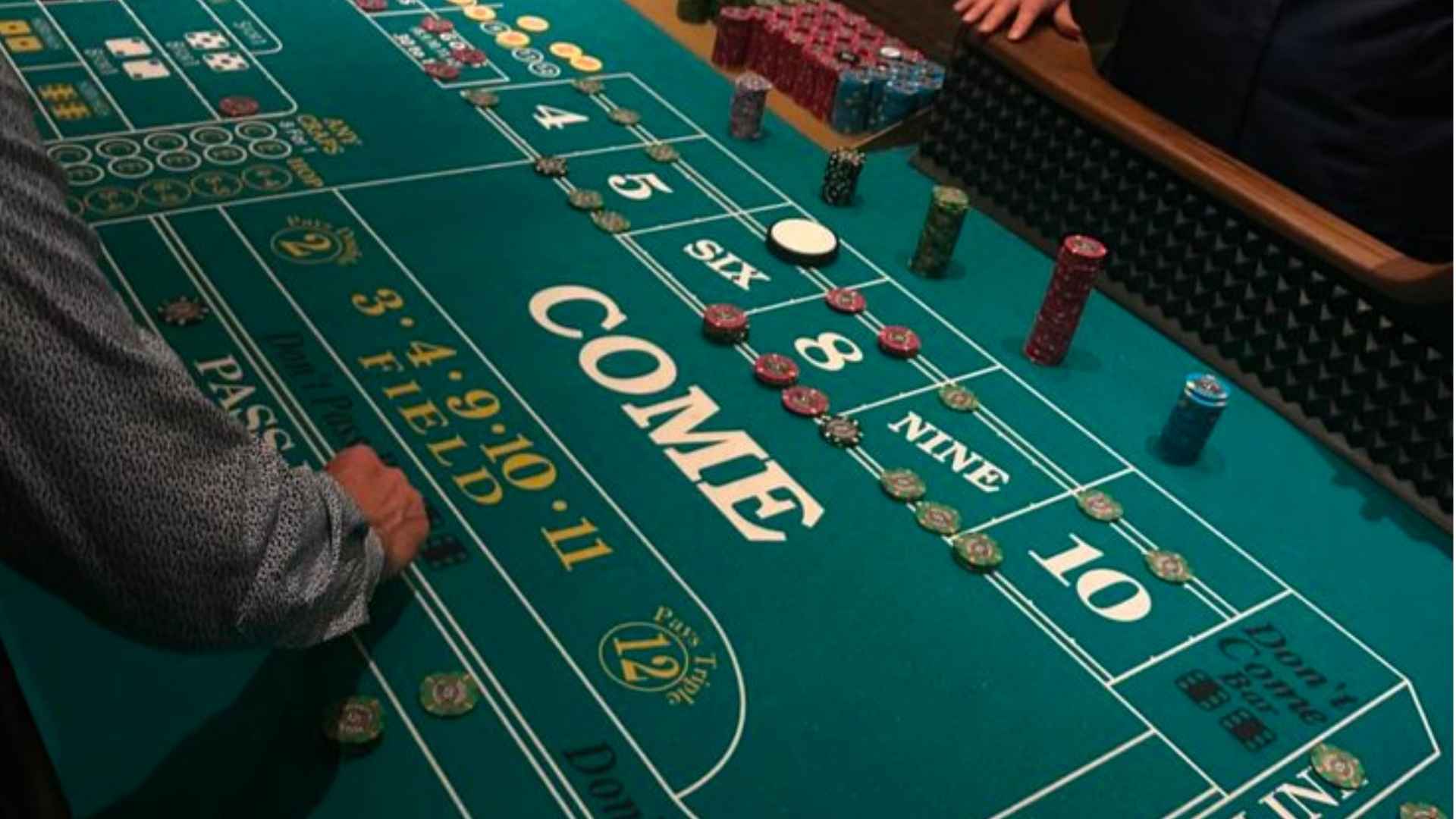
Table Games That Boost Analytical Skills
Engaging in tabletop entertainment is more than just a pleasant way to pass the time with friends or family. Many of these activities serve as a powerful workout for your brain, helping to sharpen your cognitive abilities and expand your mental horizon. By exploring strategic table games, players can naturally improve their problem-solving capabilities and learn to evaluate complex situations with greater ease.
The Mathematical Precision of Blackjack
Among classic card games, blackjack stands out as an exceptional tool for developing rapid mathematical calculation and risk assessment skills. Players must constantly compute probabilities, weighing the likelihood of drawing specific card values against the dealer's visible hand. This continuous evaluation trains the brain to make logical decisions under pressure rather than relying on pure emotion.
To test your tactical decision-making in a secure virtual environment, you can check out Link M88 to practice these principles. Consistently practicing basic blackjack strategy helps players recognize patterns and calculate shifting house advantages in real time. Over time, this disciplined approach translates to stronger analytical habits that can be applied to everyday financial and personal decisions.
Strategic Planning Through Chess
Chess is universally recognized as the ultimate tabletop pursuit for fostering long-term strategic foresight and deep critical thinking. Every move requires players to anticipate multiple potential countermoves from their opponent, creating a complex mental tree of action and reaction. This process directly exercises the prefrontal cortex, which is responsible for planning, self-control, and critical decision-making.
Furthermore, chess teaches the valuable lesson of situational adaptability, forcing players to abandon failing strategies in favor of dynamic adjustments. Analyzing the board state and identifying weak points in an opponent's defense builds a highly structured approach to problem-solving. This methodical mindset is incredibly beneficial for professionals who regularly navigate complicated projects and fast-changing environments.
Bluffing and Psychology in Poker
While many people view poker simply as a game of chance, it actually demands an intense level of psychological analysis and statistical evaluation. Successful players do not just play their own cards; they meticulously analyze the betting patterns, physical tells, and risk tolerances of everyone else at the table. This deep level of observation enhances your emotional intelligence and sharpens your ability to read human behavior accurately.
Additionally, poker requires strict bankroll management and the ability to calculate pot odds on the fly to determine if a bet is profitable in the long run. Balancing these mathematical equations with psychological warfare teaches players how to make high-stakes decisions with incomplete information. Cultivating this level of mental discipline ensures you can remain calm and analytical during stressful real-world negotiations.